The True Cost of Van Life: What No One Tells You
The Instagram version of van life looks inexpensive. A van, the open road, a sunrise you did not have to pay for. What the algorithm does not show you is the spreadsheet behind it. The insurance renewal. The campground fees that add up faster than you expected. The solar panel that needed replacing after three years. The part that was fine in Phoenix but failed in January in Montana.
None of this should put you off. The financial case for premium van life is genuinely strong, and for buyers approaching or in retirement, the numbers often work out better than people expect. But the calculation requires honesty about what van life actually costs, not what the highlight reel suggests.
This is the real breakdown.
The Van Itself
A quality Class B adventure van from a production builder typically costs between $174,900 and $260,000. That is the range you are working with if you want a van that is RVIA certified, backed by a warranty, financeable through a standard RV loan, and built to support genuine off-grid living without significant additional investment.
The instinct to spend less is understandable. A used conversion van or a DIY build can be acquired for a fraction of that. But the total cost of ownership tells a different story. A van without proper insulation costs more to heat and cool. A van without a properly engineered power system requires generator purchases and fuel. A van without RVIA certification is not eligible for standard RV financing and may not be insurable through RV-specific policies. And a van that breaks down requires you to find someone who understands its custom systems, which is not always easy when you are 400 miles from the builder.
The purchase price of a quality production van is the most visible cost. It is not necessarily the largest one over a five-year period.
Financing and Monthly Payments
Most buyers of Class B vans at this price point finance through RV-specific lenders. The terms available are more generous than car loans and worth understanding before you walk into a dealer conversation.
RV loans commonly extend to 20 years. At current rates of approximately 7 to 9 percent, a $200,000 van financed over 20 years with 20 percent down produces a monthly payment in the range of $1,100 to $1,300. That is a meaningful number, but for buyers who are replacing a car payment, a mortgage, or a rent obligation, the comparison is often more favourable than it first appears.
For buyers who own property and are transitioning toward full-time van life, the financial offset is sometimes substantial. A couple selling a home with equity, eliminating a mortgage or rent, and replacing it with a van payment and minimal site fees frequently finds the monthly cash outflow lower than what they were spending before.
Remote Vans dealers offer financing through established RV lenders. The no-haggle pricing model means the number you see is the number you work with, which makes the financing calculation straightforward.
Insurance
Van insurance through an RV-specific policy is the right approach for a vehicle at this level. Standard auto insurance does not typically cover full-timer use or the contents of a van being used as a primary residence.
RVIA certified vans have access to RV-specific policies from insurers including Good Sam, National General, and Progressive’s RV division. Annual premiums for a $200,000 Class B van with comprehensive coverage and full-timer liability protection typically run between $2,000 and $4,000 per year depending on your claims history, storage address, and how much of the year you plan to be on the road.
Non-certified vans, custom builds, and heavily modified vehicles often face significantly higher premiums or coverage exclusions. RVIA certification is not just about safety standards. It has direct financial implications.
Campsite and Parking Costs
This is where van life budgets vary most dramatically, because this cost is almost entirely within your control.
Full hookup campground sites at quality RV parks typically run between $45 and $85 per night. At the high end of that range, 365 nights a year would cost over $30,000. Nobody pays that. But buyers who underestimate campsite costs and end up relying on them frequently are consistently surprised by the annual total.
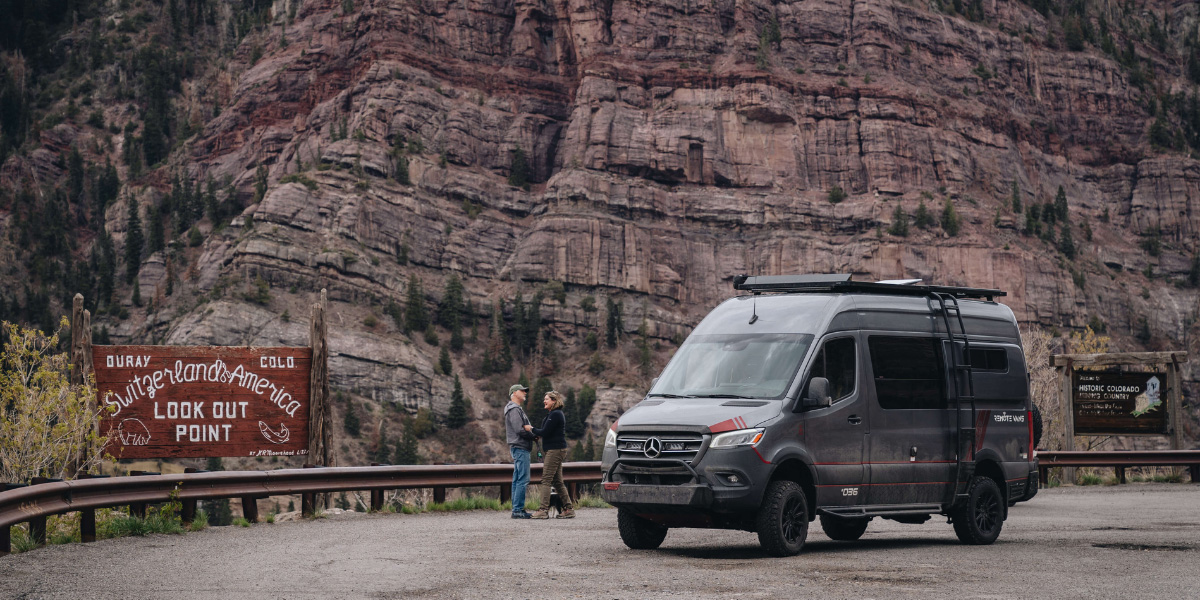
The alternative, which experienced van lifers use extensively, is Bureau of Land Management and National Forest dispersed camping. This is free, legal on most public land, and available in spectacular locations across the western United States. A van capable of genuine off-grid living, with sufficient power, water efficiency, and connectivity, can spend the majority of its nights on public land at no cost. The limiting factor is the van, not the availability of spots.
A realistic annual campsite budget for a couple who splits time between free dispersed camping and occasional paid sites is between $2,000 and $6,000. An owner who primarily uses paid campgrounds with full hookups might spend $12,000 to $18,000. The van’s off-grid capability directly affects where this number lands.
Fuel
A Mercedes Sprinter diesel van averaging 18 to 22 miles per gallon will cost approximately $4,000 to $8,000 per year in fuel for a couple driving 20,000 to 30,000 miles annually. That is comparable to two car households and in many cases less.
Drivers who are retired and have flexibility about when and where they travel often reduce fuel costs by moving with the seasons, avoiding premium summer rates in popular areas, and staying longer in each place rather than moving daily.
Maintenance and Repairs
A Mercedes Sprinter has a strong reliability record and a well-established service network across the United States. Parts are available at Mercedes dealerships in every major city and through independent Sprinter specialists. This matters when you are in Albuquerque and something needs attention.
Budget between $1,500 and $3,000 per year for maintenance on a new van in the first three years. This covers oil changes, tyre rotations, and incidentals. Significant repairs are covered under the Mercedes Benz warranty for the first three years, and extended warranties are available.
The van systems, separate from the chassis, are covered by the Remote Vans warranty. Having a direct relationship with the builder and a US-based support team is worth more than buyers typically appreciate until they need it.

The Costs That Surprise People
Cellular data plans. If you are working remotely, a reliable data plan through two or three carriers runs $150 to $300 per month. Starlink, included as standard on the Remote Vans Friday, Oasis and Aegis, changes this calculation significantly. At $165 per month for the portable plan, it replaces multiple cellular subscriptions with a single service that works almost everywhere.
Van storage when you are not using it. Covered RV storage typically costs $100 to $300 per month depending on location. If you plan to fly home occasionally or spend extended time in one place without driving, factor this in.
The first big repair. Even the best vans need attention eventually. Having a maintenance reserve of $5,000 to $10,000 is sensible financial planning, not pessimism.
Is It Worth It?
That depends entirely on what you are comparing it to. Compared to a second home, van life is dramatically cheaper and infinitely more flexible. Compared to renting in a city, the numbers are often comparable once you factor in what you are giving up in terms of commutes, fixed schedules, and the kind of life you are actually living.
The buyers who are happiest with van life at this level made the decision with clear eyes about the costs and a genuine sense of what they wanted the time to look like. The van is the tool. The question worth spending most of your time on is what you plan to do with it.
Ready to talk Remote Vans?
Ready to run the numbers on a specific Remote Vans Series? Talk to your nearest dealer or submit a van inquiry and our team will walk you through financing options.