Best National Parks to Visit in a Camper Van (With Parking Tips)
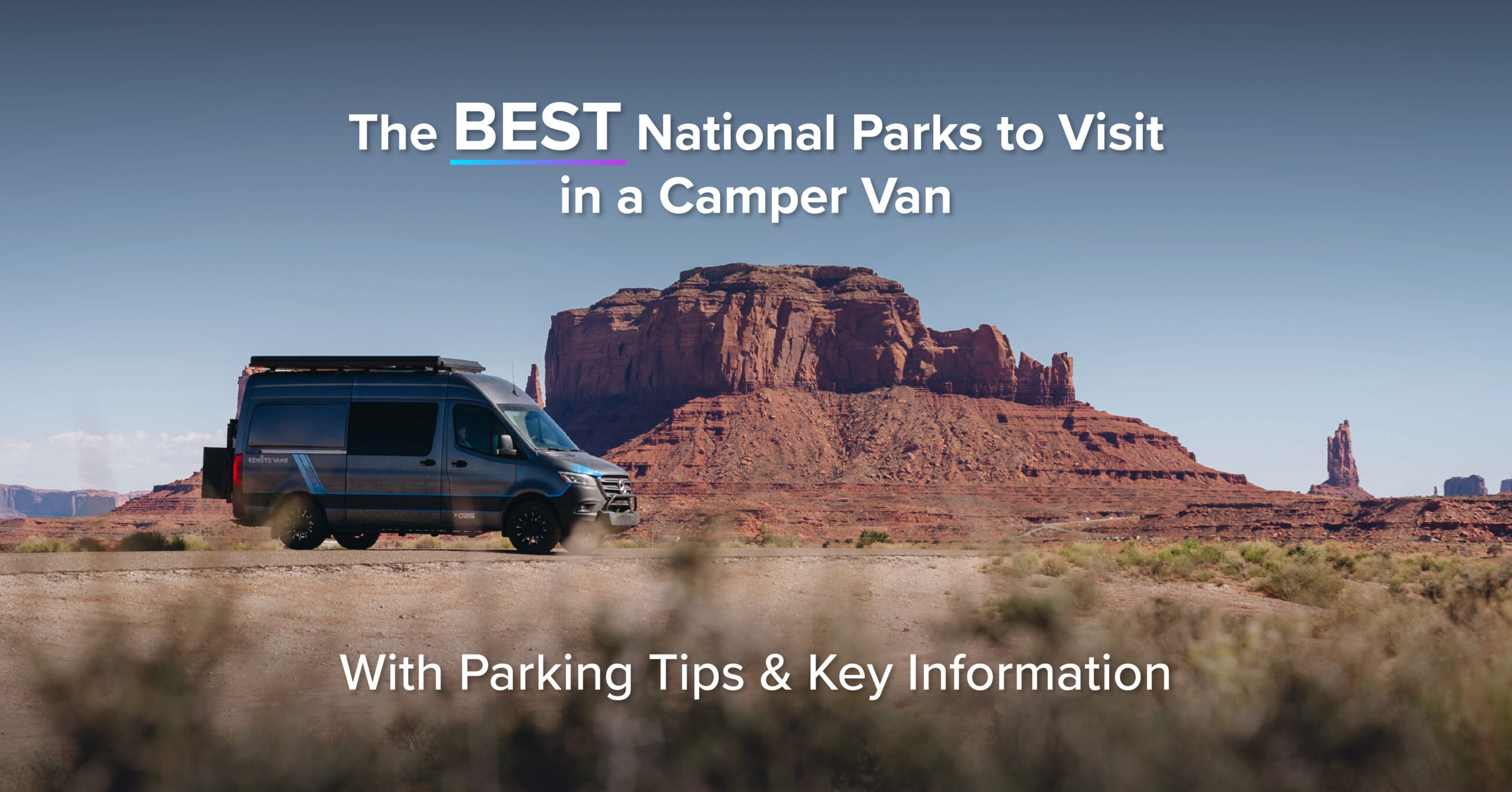
There is a specific kind of freedom that only a van can give you in a national park. A 40-foot Class A motorcoach is impressive in a campground but it is, in many parks, functionally useless for exploring. It cannot fit on the scenic roads. It cannot park at the trailheads. It cannot reach the sites that make national park travel extraordinary.
A Class B adventure van, 19 to 24 feet, fits everywhere. It parks in standard campground sites, navigates the narrow roads that larger rigs have to avoid, accesses forest service roads to the boondocking spots near the parks, and can be in a different canyon the next morning without the logistics planning that a larger rig requires.
This guide covers the ten national parks that the Rolling Nomads community returns to most consistently, with the practical detail you actually need: which campgrounds work best for vans, current 2026 reservation requirements, and where to boondock nearby when the park campgrounds are full or too crowded.
All reservation and permit information reflects 2026 rules, which have changed at several parks. Always verify current requirements at recreation.gov before you go.
Why Class B vans have an edge in national parks 
The national park system was not designed for modern RVs. Many of the roads, tunnels, and campground loops were built decades before a 35-foot motorcoach became a common vacation vehicle, and the infrastructure has not kept pace. The result is a system full of size restrictions, weight limits, and access limitations that filter out larger rigs and leave the best spots for smaller vehicles.
A Class B van sits at roughly 19 to 24 feet and well under the height restrictions that catch Class A motorcoaches and tall Class C rigs. In practice, this means:
- Access to campground loops that list a 25-foot maximum, which excludes most Class C rigs and all Class A motorcoaches
- Navigation of the historic tunnels and narrow switchbacks that require escorts or are simply closed to oversized vehicles
- Parking at day-use trailheads where oversized vehicle parking is either limited or non-existent
- Access to dispersed camping areas on BLM and forest service land near parks, where road quality rules out anything with a long wheelbase
The Zion-Mount Carmel Tunnel is the most famous example. As of June 7, 2026, vehicles over 11 feet 4 inches tall, 7 feet 10 inches wide, or 35 feet 9 inches long are prohibited on the entire eastern section of the Zion-Mount Carmel Highway. A Class B van sails through without a second thought. Most Class A motorcoaches and many large Class C rigs cannot use that road at all.
Acadia’s Cadillac Summit Road prohibits vehicles over 21 feet. Glacier’s Going-to-the-Sun Road has restrictions that make navigation in larger rigs genuinely stressful. Time and again, the parks that make the bucket lists are the ones where a van’s size becomes its biggest advantage.
The 10 best national parks for Class B van camping
These are not ranked by popularity. They are ranked by how well they reward van travel specifically: road access, campsite suitability, boondocking proximity, and the overall quality of the van experience.
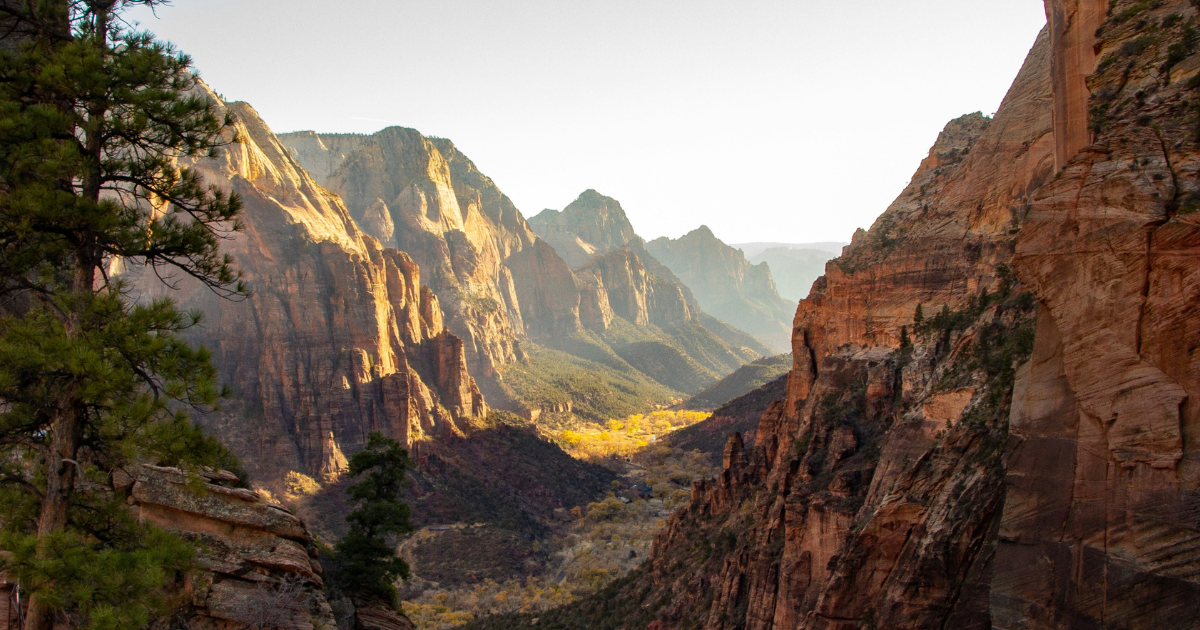
- Zion National Park, Utah
Arguably the single best national park for a Class B van. The size advantage is most obvious here, the scenery is world-class, and the combination of in-park camping and excellent nearby boondocking makes it endlessly flexible.
What to know in 2026: South Campground is closed indefinitely. Watchman Campground is the primary option inside the park, with electric hookups in the A and B loops. Reservations open on a six-month rolling basis at recreation.gov and go quickly. Book the moment your window opens.
The Zion Canyon Scenic Drive is closed to private vehicles from early March through late November. A free shuttle runs from the visitor center and stops at all the major trailheads. In practice this is not a limitation for van campers, since the shuttle is efficient and parking in Springdale is manageable for a Class B.
2026 update: vehicles over 11’4″ tall, 7’10” wide, or 35’9″ long are now prohibited on the Zion-Mount Carmel Highway between Canyon Junction and the East Entrance. A standard Class B van passes through without issue.
Boondocking nearby: The BLM land around the Zion area, particularly along Smithsonian Butte Road south of the park and the areas around Johnson Canyon, offers excellent dispersed camping within 30 to 45 minutes of the park entrance.
- Arches National Park, Utah
The most dramatic concentration of red rock scenery in the country and a park where being in a van rather than a large RV makes daily exploration significantly easier.
What to know in 2026: Timed-entry vehicle reservations have been eliminated at Arches for 2026. However, the park can still implement day-use entry limits during peak periods in spring. Check nps.gov/arch before you go, particularly in April and May.
Devils Garden Campground is the only campsite inside the park. Sites accommodate vehicles up to 28 feet. It is one of the most sought-after campground reservations in the national park system. Book six months in advance at 10am Eastern on the exact date your window opens. Use the Campnab app to scan for cancellations if you miss the opening.
Boondocking nearby: Moab has some of the best van-accessible BLM dispersed camping in the country. The Camels Back Road area and the lands along Kane Creek Boulevard to the south of town are popular, free, and within range of both Arches and Canyonlands.
- Glacier National Park, Montana
Going-to-the-Sun Road is one of the great drives in North America, and it is dramatically better in a van than in a large rig. The road has vehicle length and height restrictions that make it uncomfortable or impossible in larger RVs. In a Class B it is simply one of the most beautiful drives you will ever take.
What to know in 2026: Timed-entry vehicle reservations for Going-to-the-Sun Road have been eliminated. Glacier is piloting a ticketed shuttle system. Those planning to spend more than three hours in the alpine area are encouraged to book a shuttle ticket, available at recreation.gov up to 60 days in advance.
Note: RVs and trailers over 21 feet are not permitted on certain sections of Going-to-the-Sun Road. A Class B van at 19 to 24 feet is generally fine, but verify your specific van’s length against current NPS guidance before arrival.
Boondocking nearby: The Flathead National Forest surrounding Glacier has extensive dispersed camping. The North Fork Road area west of the park is particularly good for van access, with sites along the river with mountain views.
- Grand Teton National Park, Wyoming
The Tetons deliver some of the most dramatic mountain scenery in the country without the crowds of Yellowstone. The combination of in-park camping, easy access, and outstanding boondocking on adjacent national forest land makes this a perennial Rolling Nomads favourite.
What to know in 2026: No timed-entry or vehicle reservation system is in place. Gros Ventre Campground is the largest and most van-friendly option, with sites accommodating up to 40 feet. Colter Bay RV Park has full hookups.
Boondocking nearby: Bridger-Teton National Forest borders Grand Teton to the east and south. The Gros Ventre Road east of Kelly leads into excellent van-accessible forest service camping with Teton views.
- Acadia National Park, Maine
The only national park on the East Coast that truly rewards van travel in the same way the western parks do. The carriage roads are closed to motor vehicles, making Acadia one of the most peaceful parks in the system. The coastal scenery is unlike anything else in the country.
What to know in 2026: Cadillac Summit Road requires advance vehicle reservations from May 20 through October 25. Vehicles over 21 feet are prohibited on the Summit Road entirely. Blackwoods Campground accommodates most van sizes. Schoodic Woods on the Schoodic Peninsula is quieter, has hookups, and is worth the extra 60-mile drive.
Boondocking nearby: The Donnell Pond Public Reserved Land area to the west is a well-regarded option. Harvest Hosts memberships open up farm and winery stays in the area.
- Death Valley National Park, California
The extremes here are real: the lowest point in North America, some of the best stargazing on the continent, and a landscape that looks like no other place on Earth. Best visited in autumn and winter.
What to know in 2026: No timed-entry system. Mesquite Spring Campground in the north is the most popular van camping option, with sites up to 30 feet. The dry desert environment means the van’s solar panel is near-constantly productive here. Several owners report keeping their battery at or near full charge throughout multi-day visits even with A/C running.
Boondocking nearby: Death Valley itself allows dispersed camping throughout much of the park. The Saline Valley area to the north and the Eureka Dunes area are among the most spectacular free camping destinations in the US.
- Olympic National Park, Washington
Three ecosystems in one park: temperate rainforest, rugged Pacific coastline, and subalpine mountain terrain. Olympic rewards slow travel and multiple nights, and its geography lends itself perfectly to the van approach of moving between areas.
What to know in 2026: No timed-entry system is in place. Many roads within the park have length restrictions between 21 and 35 feet. Check individual campground listings on nps.gov/olym before planning your route.
Boondocking nearby: The South Fork Hoh Road off Highway 101 leads to free forest service sites within a short drive of the Hoh Rain Forest entrance.
- Joshua Tree National Park, California
The perfect winter and spring destination. A surreal landscape of twisted Joshua trees and enormous granite boulders, outstanding rock climbing and hiking, and some of the best dark sky conditions in the lower 48.
What to know in 2026: Black Rock Campground has water, flush toilets, and a dump station, with sites up to 35 feet. All camping is dry camping; no hookups are available in the park. The 48V power system and solar handles the desert sun extremely well.
Boondocking nearby: The BLM land surrounding Joshua Tree, particularly to the north near Twentynine Palms and to the south near Chiriaco Summit, offers excellent dispersed camping.
- Big Bend National Park, Texas
The most remote major national park in the lower 48 and one that consistently appears at the top of Rolling Nomads members’ lists. The scale of the landscape, the darkness of the sky, and the sense of genuine remoteness make it unlike anywhere else.
What to know in 2026: No timed-entry or vehicle reservation system is in place. Chisos Basin Campground has a 24-foot length limit and 8-foot width limit: a Class B van fits comfortably. Plan for at least 3 nights; most visitors stay longer.
Boondocking nearby: Big Bend Ranch State Park to the west offers dispersed camping on a landscape that rivals the national park for scenery.
- Shenandoah National Park, Virginia
The East Coast’s best van destination for the autumn leaf season. Skyline Drive runs 105 miles along the crest of the Blue Ridge Mountains with pullouts every mile or two, each one better than the last.
What to know in 2026: No timed-entry system. Big Meadows Campground is the most popular and well-equipped, with sites accommodating up to 40 feet. Loft Mountain has pull-through sites with panoramic valley views.
Boondocking nearby: The George Washington and Jefferson National Forests bordering the park on both sides have dispersed camping on forest service roads throughout.
Practical tips for van camping in national parks
Reservations: the six-month rule
Most popular national park campgrounds release reservations on a rolling six-month window through recreation.gov. The exact opening time is 10am Eastern. Sites at Arches, Zion, Yosemite, and Glacier go within minutes of release. Set a calendar reminder, have your recreation.gov account ready with payment details saved, and be at your computer at exactly 10am Eastern on the date your window opens.
If you miss the initial release, the Campnab and Camp Finder apps scan for cancellations continuously and send alerts when a site opens up.
The America the Beautiful Pass
A $80 annual pass that covers entrance fees at all national parks and most federal recreation areas. For anyone doing more than two or three national park visits in a year, it pays for itself immediately. Senior passes for those 62 and over are $80 for a lifetime pass.
Generator rules
Most national park campgrounds prohibit generators during quiet hours, typically 10pm to 6am, and some prohibit them entirely. A van running the 16.8 kWh MoPoWa system with solar input can run through the night on battery without any noise, any fuel logistics, or any generator hours to manage.
Cell coverage and connectivity
National parks are often cellular dead zones. Starlink is the solution. The satellite-based internet in Remote Vans operates independently of cellular towers and provides connectivity in most national park locations with a clear sky view.
“The van life inside national parks is something else entirely. You are not just visiting anymore, you are living there for a few days. Different pace, different experience. Highly recommend it.” — Rolling Nomads community member, Aegis owner
Planning resources worth bookmarking: recreation.gov, nps.gov, freecampsites.net, iOverlander, Campnab and Camp Finder for cancellation scanning, Gaia GPS for offline maps.